
CyLab faculty share their insights at the 2025 Global Cybersecurity Forum
Michael Cunningham
Nov 5, 2025
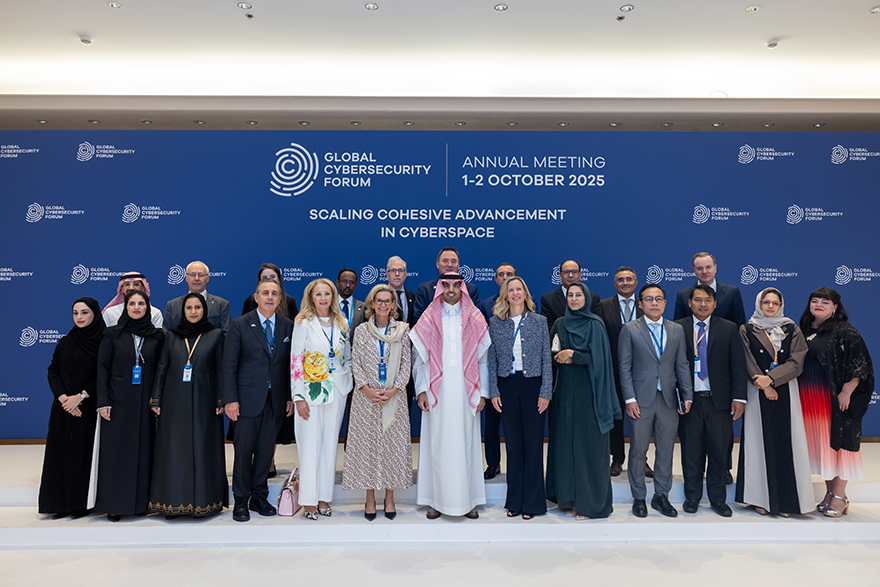
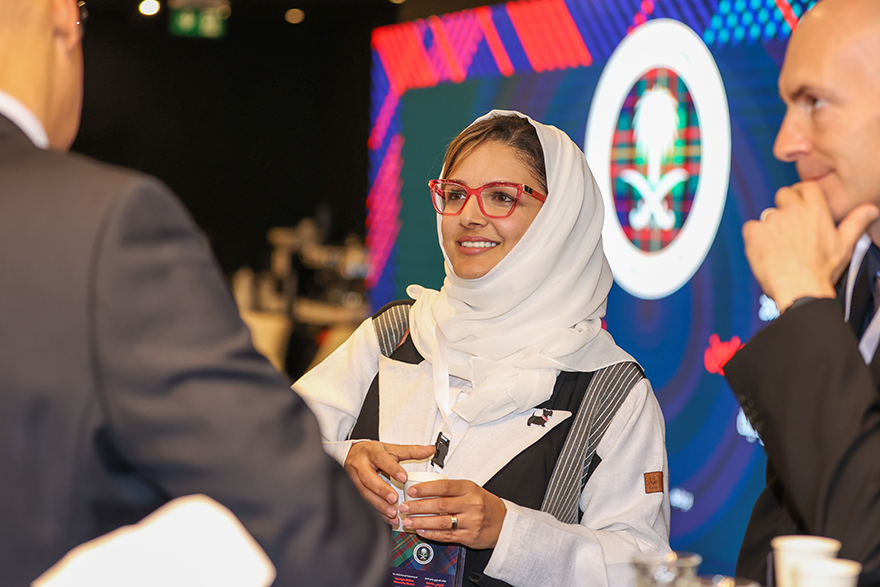
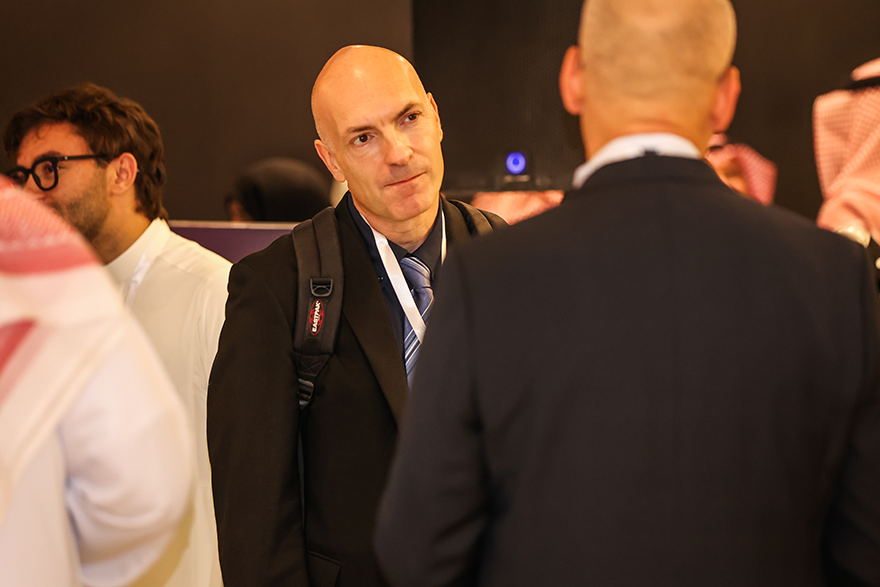
Three faculty members from Carnegie Mellon University’s CyLab Security and Privacy Institute participated in panels at the Global Cybersecurity Forum’s (GCF) 2025 Annual Meeting in Riyadh, Saudi Arabia.
Held October 1-2, the meeting brought together global leaders from government, industry, and academia to advance collaboration, innovation, and trust in cybersecurity worldwide.
Representing CyLab were Norman Sadeh, professor of computer science in the Software and Societal Systems Department (S3D) and co-director of the Privacy Engineering Program; Hanan Hibshi, assistant teaching professor in the Information Networking Institute (INI); and Nicolas Christin, department head and professor in S3D.
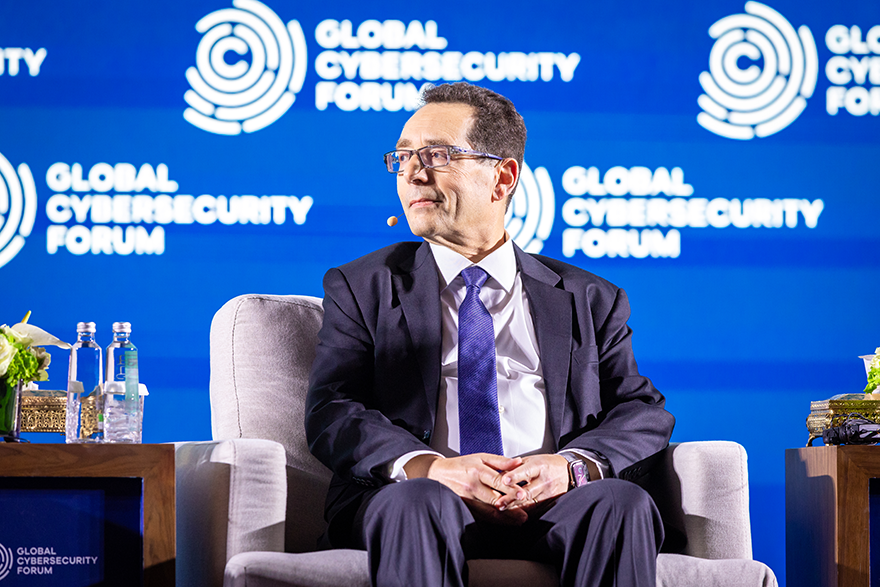
Sadeh participated in the conference’s final, packed plenary panel, Funding the Future of Cyber: Public-Private Investment Models for Scalable Growth, along with H.E. Margarete Schramboeck, former Austrian Minister of Digital and Economic Affairs and Aramco Board Member. The session explored public-private investment models that can drive scalable growth in the cybersecurity sector.
As part of the panel, Sadeh reflected on lessons learned through his work at Carnegie Mellon University as well as his experience as founding CEO and Chairman of Wombat Security Technologies and his earlier work as Chief Scientist in charge of eCommerce, Cybersecurity and Privacy research programs at the European Commission.
“As cyberthreats continue to proliferate in an increasingly interconnected and AI-driven economy, staying ahead of malicious actors has never been more challenging. Global cooperation and innovation, supported by both public and private investment, have never been more critical. It was a privilege to be invited to share my views on this topic with participants at the Global Cybersecurity Forum,” said Sadeh.
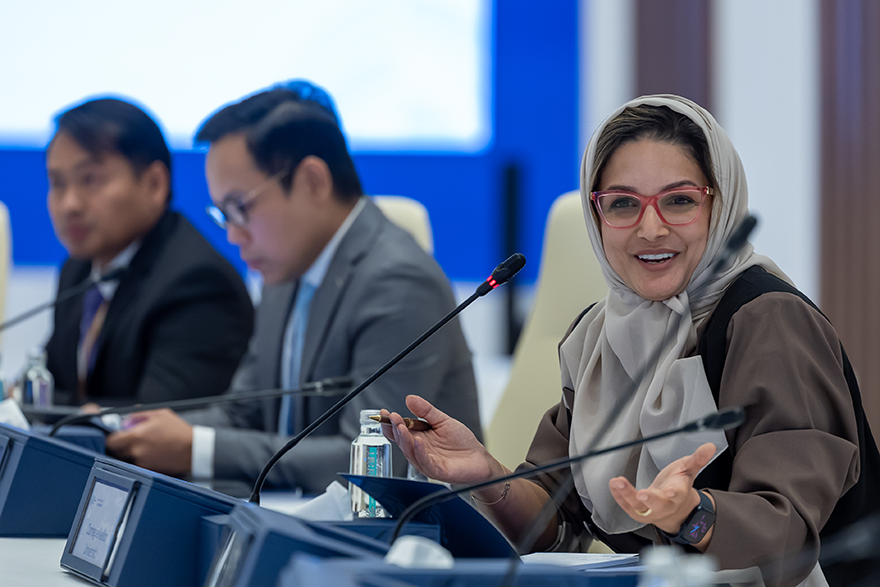
Hibshi joined the High-Level Roundtable on Women Empowerment in Cybersecurity, where she shared lessons from her own career journey. The roundtable, which was moderated by John Defterios, senior advisor at APCO also featured H.E. Eng. Majed Bin Mohammed Al Mazyed, governor, National Cybersecurity Authority (NCA); H.E. Doreen Bodgan-Martin, secretary general, International Telecommunication Union (ITU); and H.E. Sarah E. Hendriks, deputy executive director, UN Women.
“We need women role models in leadership positions,” said Hibshi. “Inclusive strategies benefit everyone—women, men, non-traditional students, and career changers alike. Women want to be hired for their skills and expertise, not to check a box or meet a quota.”
For Hibshi, the event was both professionally and personally meaningful.
“As someone who grew up in Jeddah and is a proud alum of King AbdulAziz University, it was deeply inspiring to sit among global leaders and speak to the women of Saudi Arabia as a faculty member from Carnegie Mellon University,” she said.
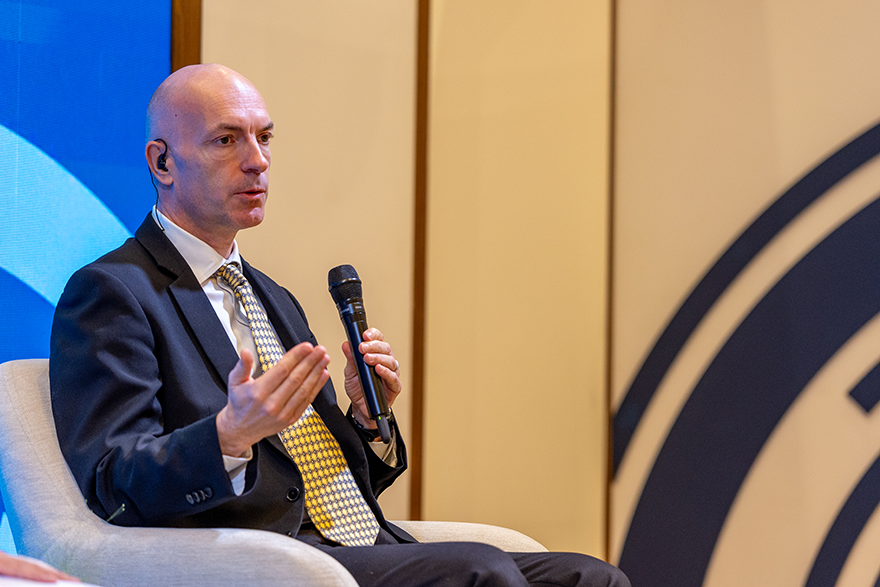
Christin’s panel, which drew a strong audience, focused on the impact of the convergence of multiple technologies on cybersecurity. His insights highlighted the importance of being proactive, rather than reactive, in a rapidly evolving threat landscape, highlighting the need for data-driven approaches to help achieve these goals.
“Our faculty’s views and advice are helping shape how countries and organizations think about cybersecurity challenges, investment in innovation, and new models for international collaboration,” said Christin.
The theme of this year’s GCF Annual Meeting centered on cooperation, innovation, and building trust in an increasingly interconnected world. As the meeting came to a close, one message resonated above all: the future of cybersecurity will depend not only on technology, but on the partnerships and shared understanding across sectors.